Exhibition
The Painted River Project / Watt Space Gallery, Newcastle University – 2023
Attention to detail in rendering and spatial audio production is intentional. Watching in 4K resolution and stereo audio playback is recommended.
The video installation "Ten Years in the Ground" is my second piece of work created for The Painted River Project and informed by site visits to The Gully, Garguree. I was graciously welcomed to this site by respected custodian David King, who provided guidance and context about the culturally significant site and Gundungurra Country. This work takes a different perspective on my time immersed in The Gully for my "The Ecotone" installation.
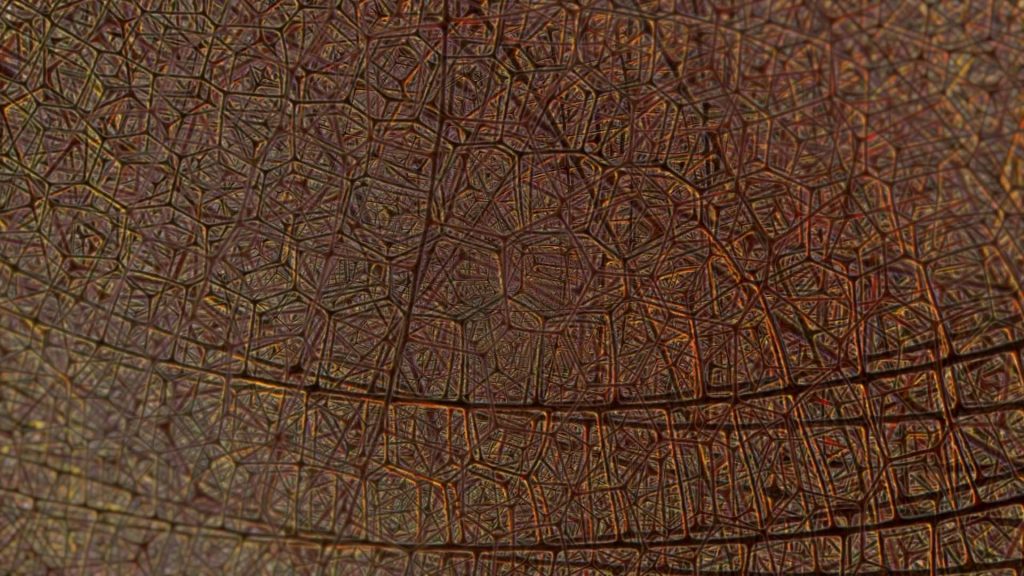
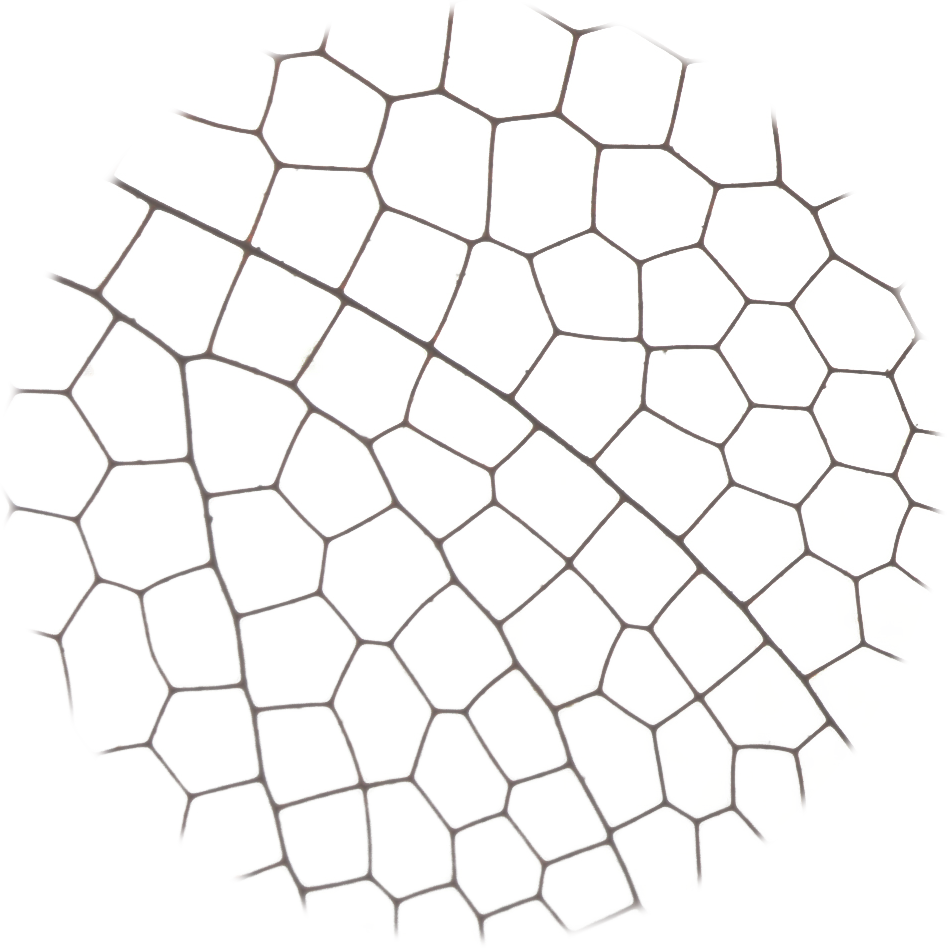
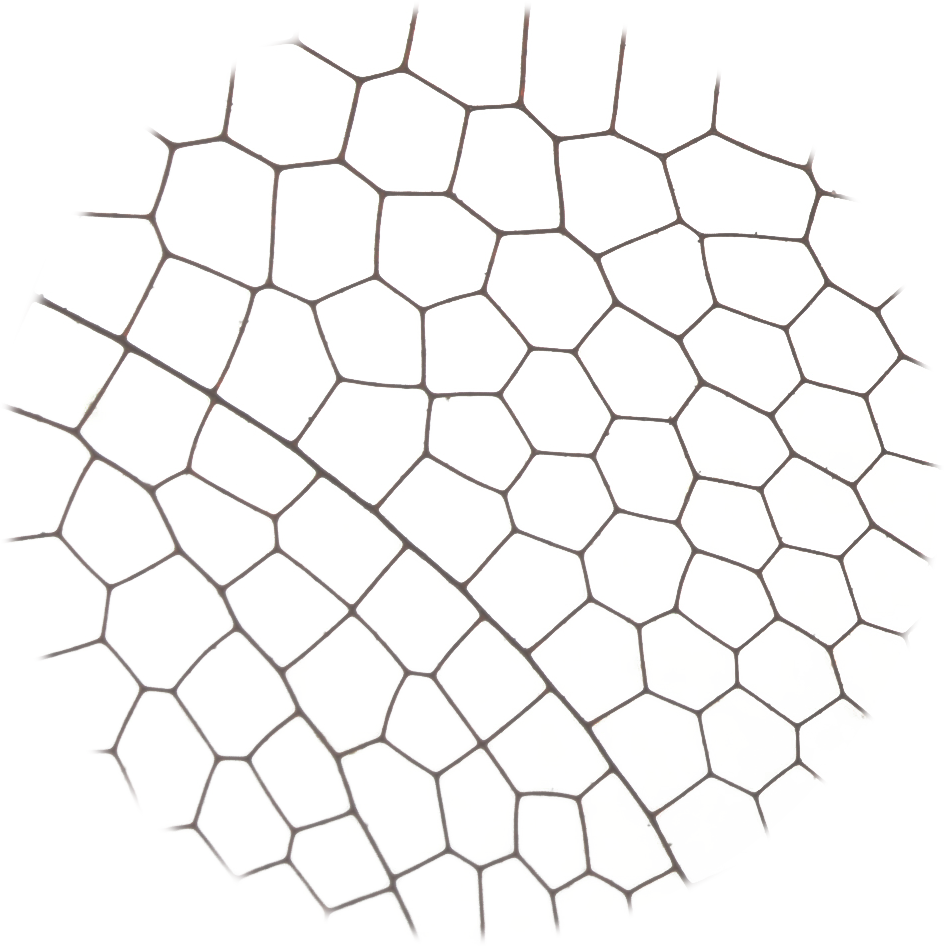
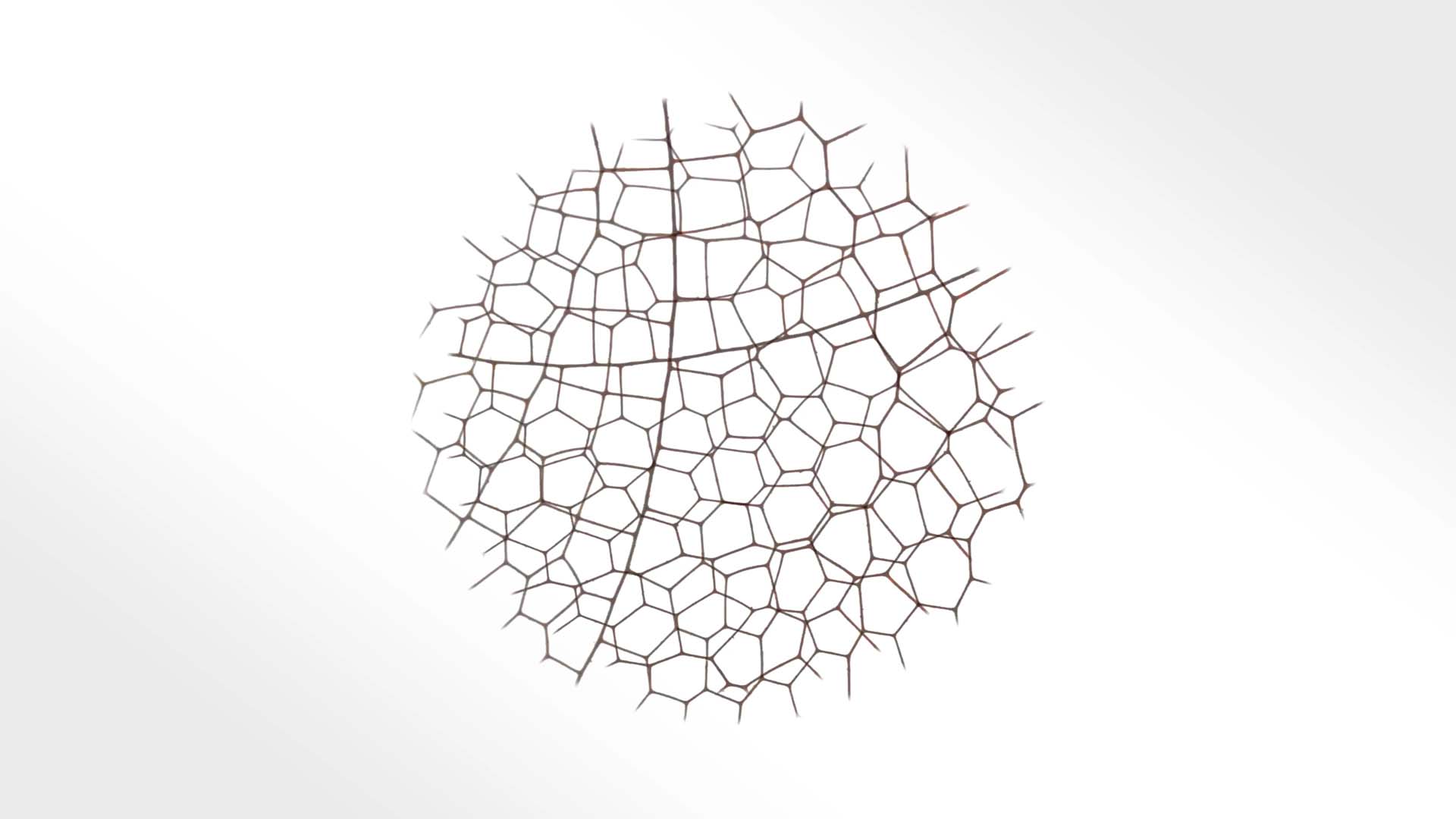
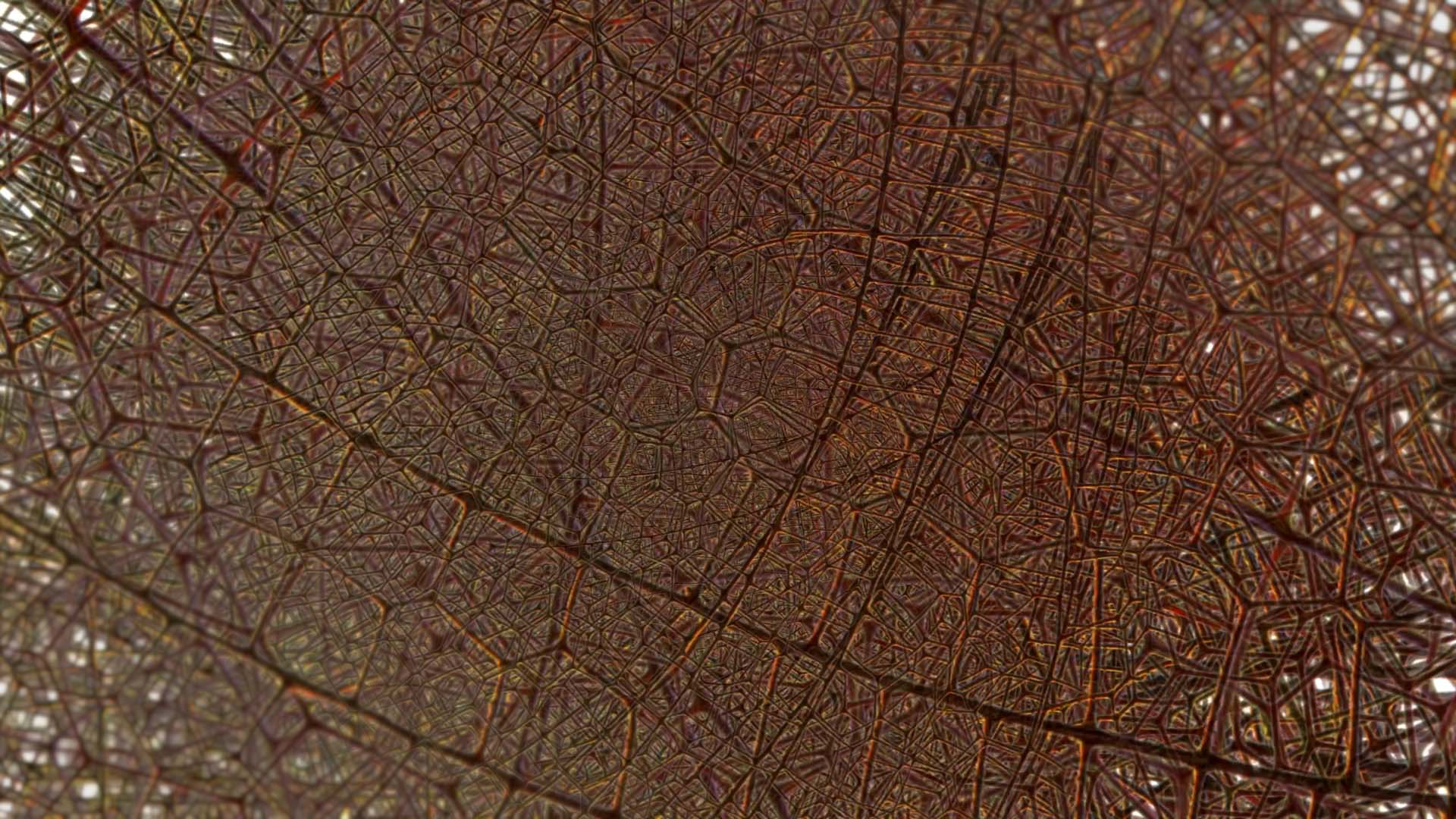
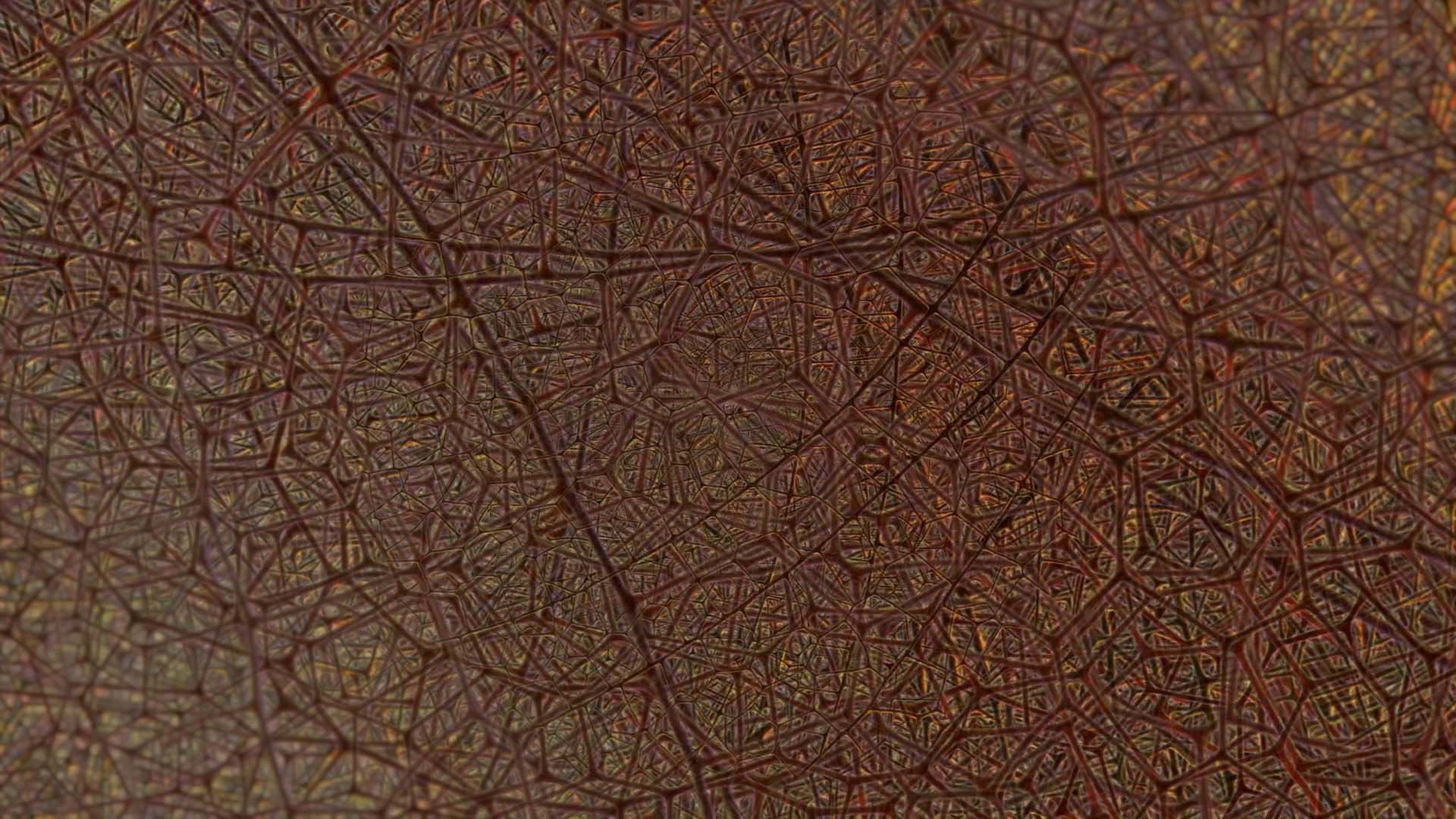
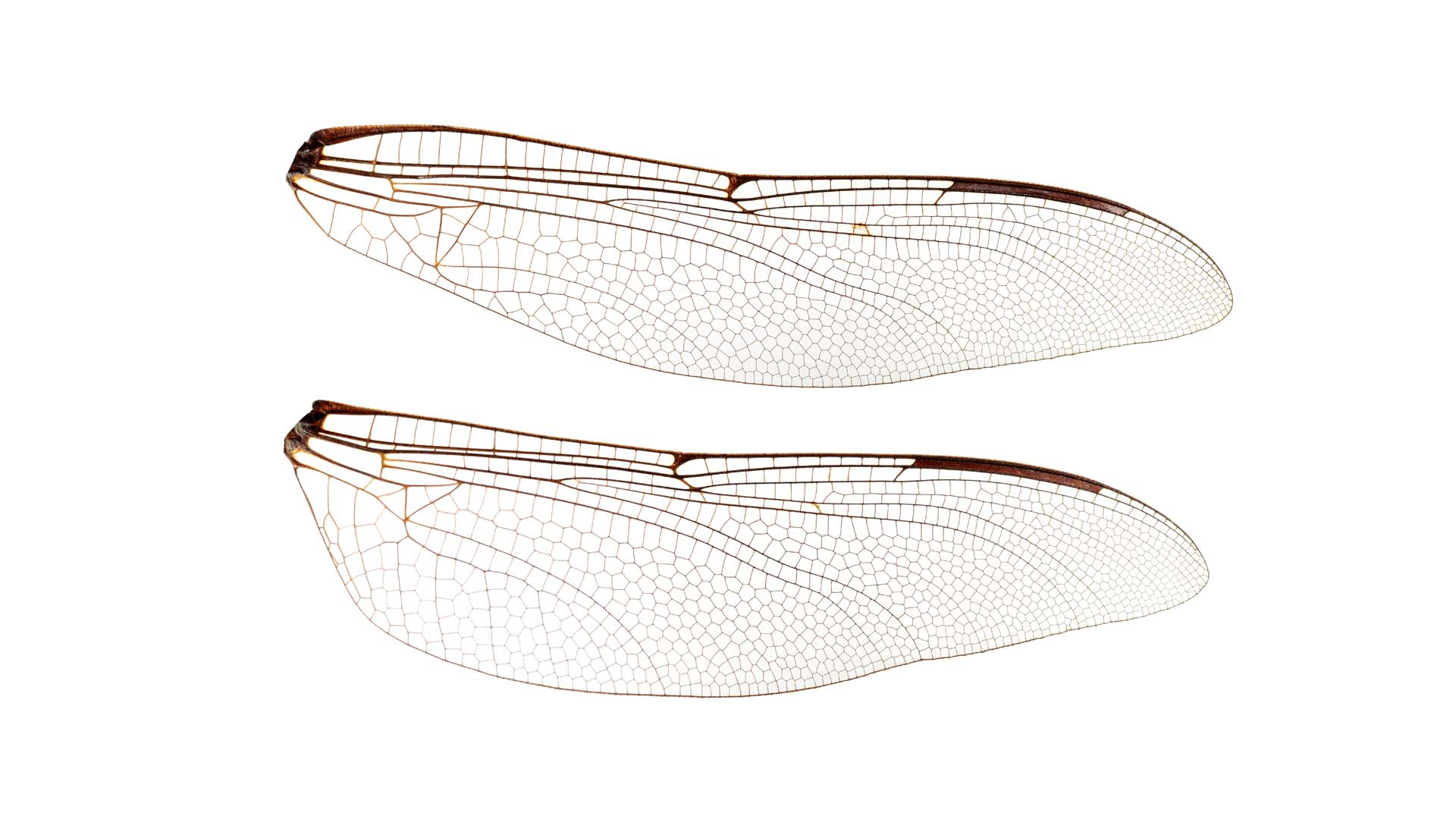
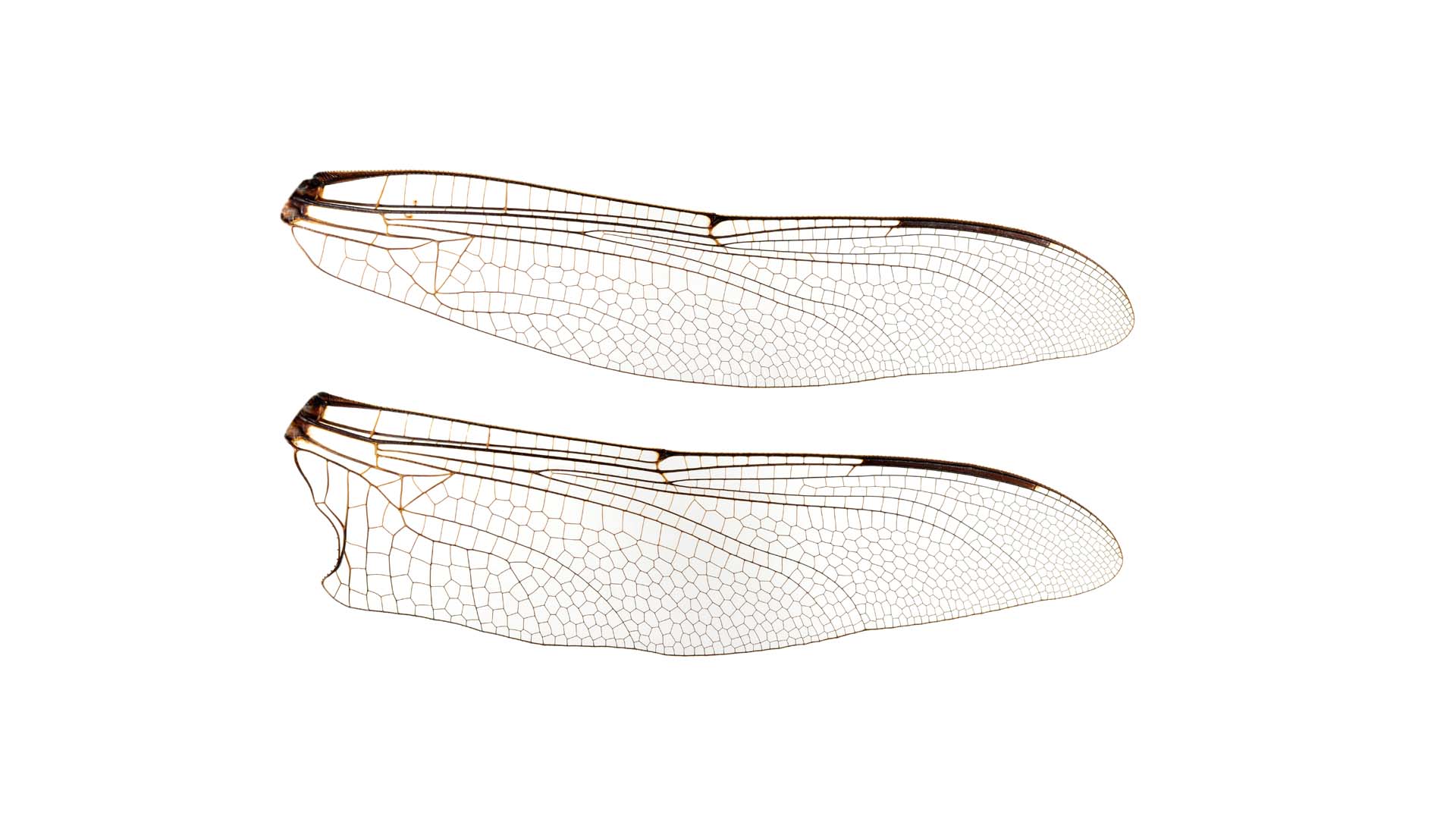
Crafted from cropped museum specimen images of the giant dragonfly's wing structure, an imagined timer of the insect's lifecycle is presented. Backlit fragments layer and amplify the translucence of their wings, and intricate wirework suggests bodily segmentation. Organic layers rise and fall from the ground of the image and are combined with audio references to flight patterns to form a high-speed counter. By visualising a sense of timing with a machine-driven frame rate (video frames and audio generated are captured at sixty frames per second to generate a video file of over 100 gigabytes, producing artefacts and bizarre distortion from a computer struggling to survive the process – the machine was intentionally driven to the brink), I hope to raise awareness of an endangered species and prompt consideration of how human activities impact delicate ecosystems. The work is a fragile timer, a countdown or a cutoff from being able to emerge after ten years in the ground.
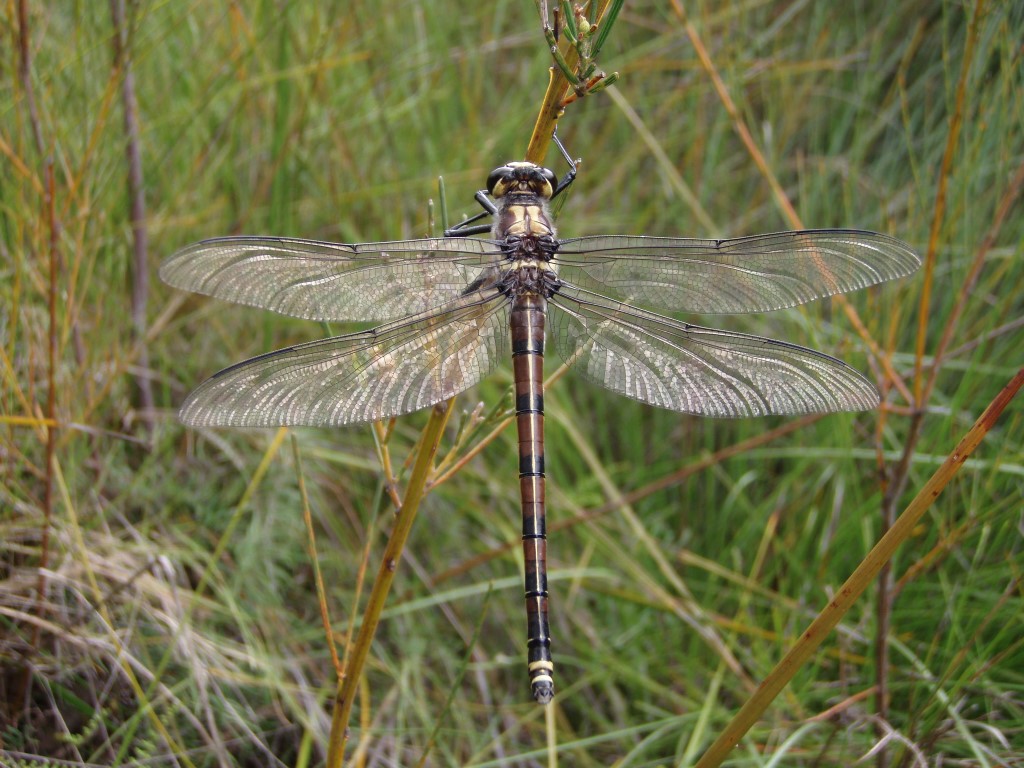
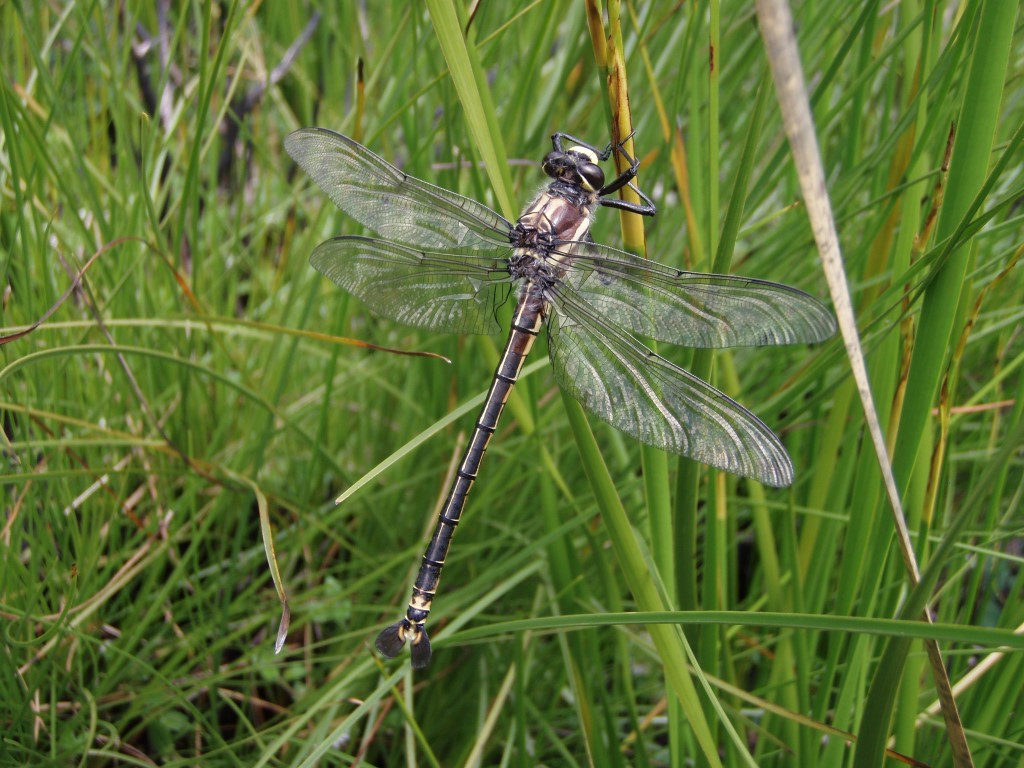
Unlike my previous Painted River piece, "The Ecotone," which involved deep documentation and data visualization of what the site presented, "Ten Years in the Ground" is focused on something missing from the site – the endangered giant dragonfly known as the south-eastern petal tail or Petalura gigantea. Through pre-visit research, I had learned about this dragonfly's connection to upland swamps and hoped I might spot one, or a pair, during my time at the Gully given the ideal season. However, the petal tails proved elusive. Their absence, representing broader issues of habitat loss and degradation, became the conceptual focus of this generative video piece.
"Ten Years in the Ground" offers an opportunity to contemplate absence and what is left unseen when natural environments are disrupted. An underground world is imagined via aboveground references and a countdown to a sharp and abrupt nothing is offered. The piece is essentially a work-in-progress because of the giant dragonfly's absence, but also the system designed to generate the video has empty data input points – it is a test system awaiting the return of numbers.
Materials and Process
Engaging with Country, Science and Method
Precedents / Inspiration / Connections
Referring to the work of Ian Baird, Petalura gigantea has a burrowing larval stage, which is unique among dragonflies. The larvae excavate permanent burrows in peaty soils in swamps. The larval stage is very long, estimated to be at least 5-6 years and potentially 10 years or more. This is an extremely prolonged development period spent underground as larvae. Larvae occupy the burrows throughout their whole larval development, from when they initially establish the burrows until they finally emerge as adults. Burrow depths range from 18-75 cm deep. The larvae continuously maintain and live in these burrows for years.
The time underground is impressive but also a key vulnerability. The burrowing lifestyle provides protection, stable temperatures, and access to groundwater throughout larval development. Their entire immature phase is spent excavating and occupying meter-deep burrows in swamp soils before finally emerging as adults. They likely evolved as an adaptation to Australia's variable climate but urban runoff, fire, and extreme drought affecting groundwater challenge the dragonfly's existence.
Materials and Data
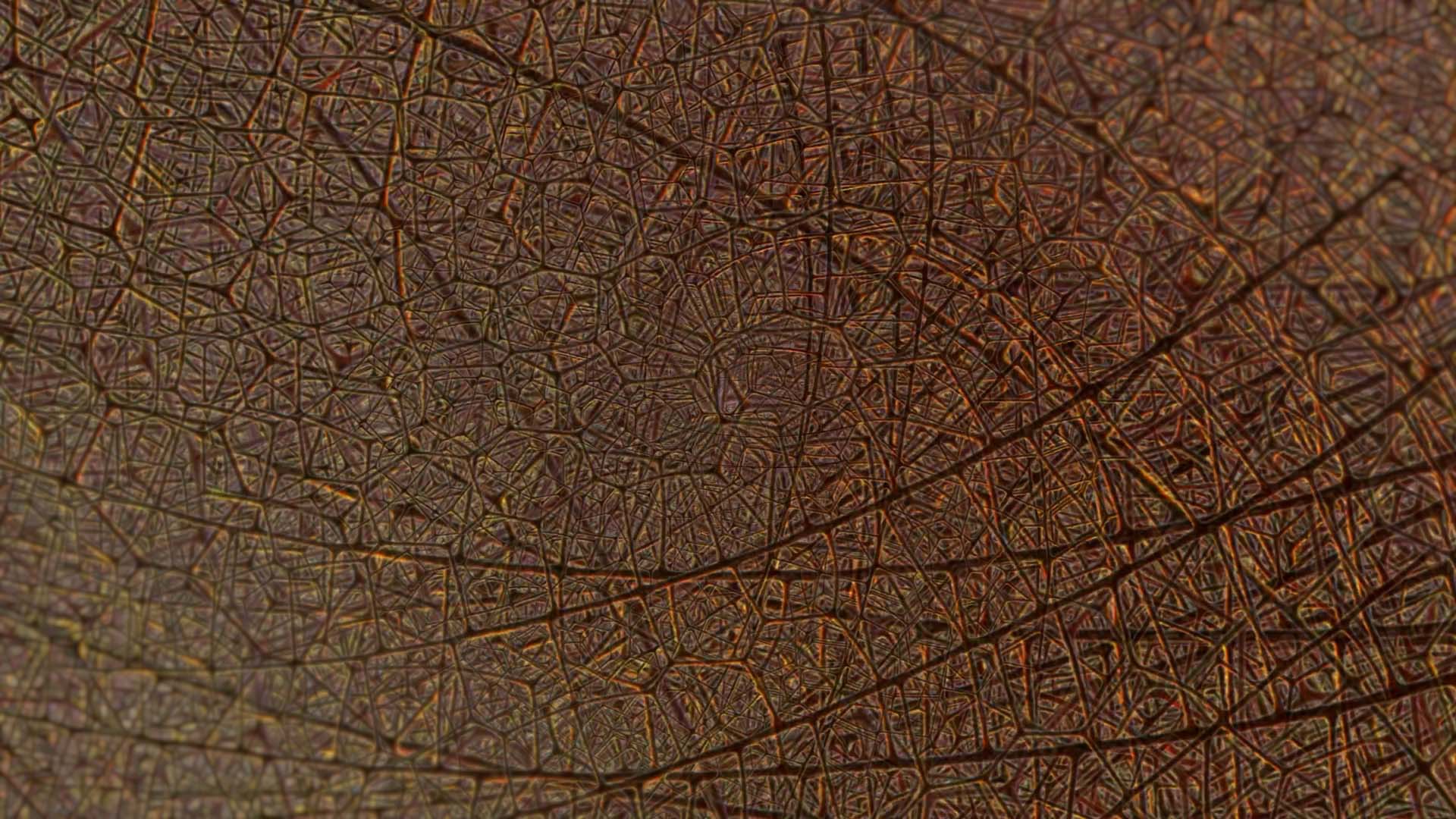
Crafted from cropped museum specimen images of the giant dragonfly's wing structure, an imagined timer of the insect's lifecycle is designed and executed (recorded via real-time processing). Video frames (a layer per frame selected randomly from a collection of pre-composed images) and audio generated are captured at sixty frames per second to generate a video file of over 100 gigabytes, producing artefacts and bizarre distortion from a computer struggling to survive the process – the machine was intentionally driven to the brink.
Experimentation / Animatics