A Return to Circuit Bending As Research
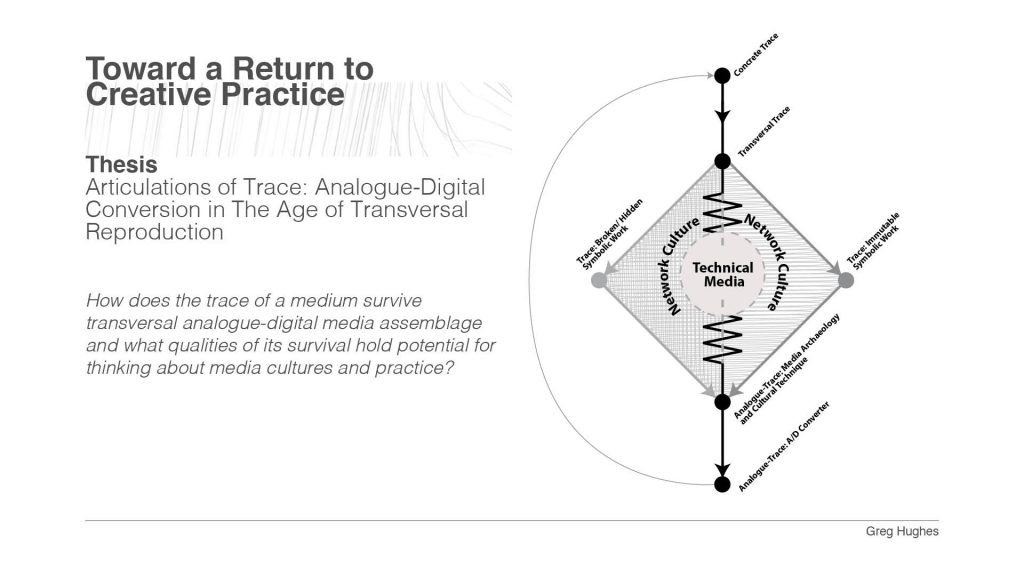
My PhD exit point came from a pretty simple decision in the end – to focus on the device at the centre of my analogue versus digital concern – the material qualities and operational processes of the Analogue-Digital Converter (ADC) chip – that magical little black-boxed integrated circuit hidden in the typical devices we rely on every day to convert our physical world into the digital.
Via the AD converter, I learnt it's not a clear-cut play between the analogue and digital but a history of techniques, of wrangling the operations of 'signal distortion' – not just a play-off with noise or error in reproduction and meaning-making but the potential in the 'realisation' of distortion or what's 'not distortion' as a signification – the trace of discovery, measurement and perpetual navigation of distortion in signals, communication and conceptualisation.
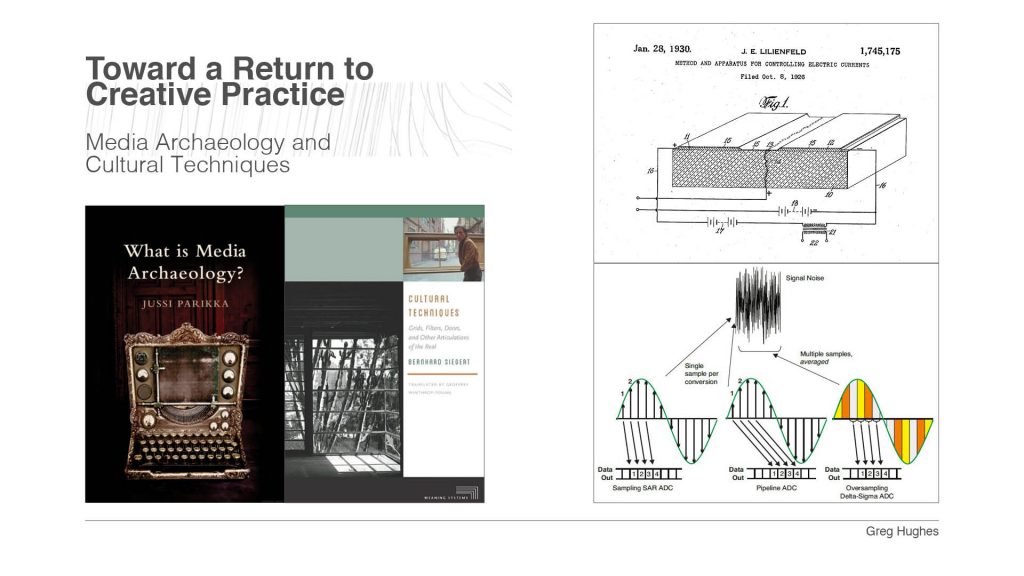
For me, the theory of cultural techniques focuses on intermediaries and media that potentially connect the production of concepts (or reality) with concrete operations, involving both human and non-human actors. This concept is closely related to Actor Network Theory but emphasises the historical unfolding of media operations with archival and media archaeology motives. Media can be seen as cultural techniques themselves, encompassing sub-processes of a medium such as selecting, storing, layering, mapping, projecting, reproducing, producing, tracing, and writing. By understanding the underlying operations that define a medium or bring it into existence, we can identify and examine the operational processes that underpin it. These processes can emerge from noise, interference, intervention, or interruption of existing techniques of communication or meaning-making.
The practice of circuit bending, starting from the surface of technical media and expanding to broader cultural constellations through culture jamming, serves as an inspiring format for me. The knowledge embedded in objects and the processes of making, from my perspective, requires ongoing stewardship to amplify the valuable role practice-led research should play in the academy 'and' community.
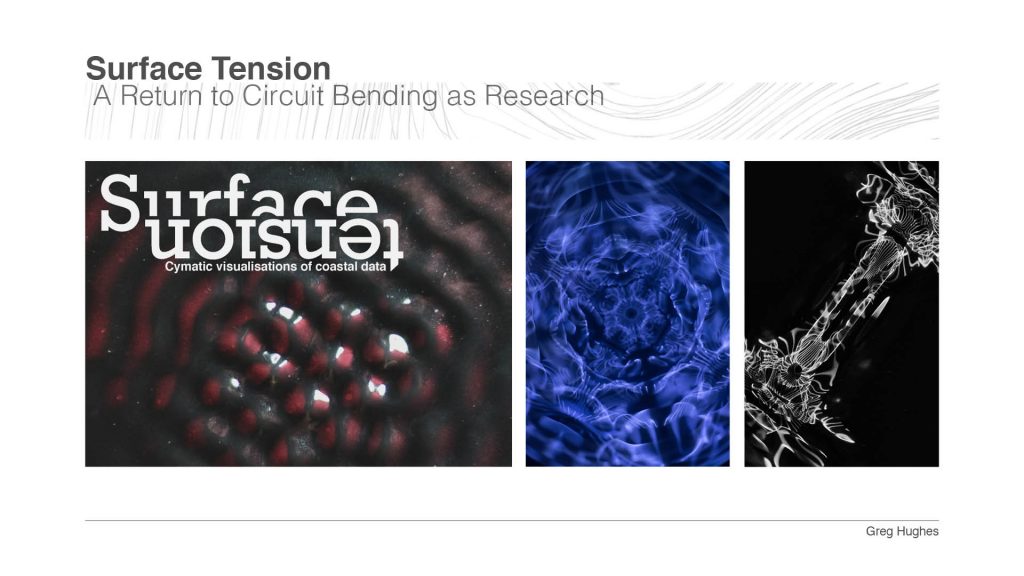
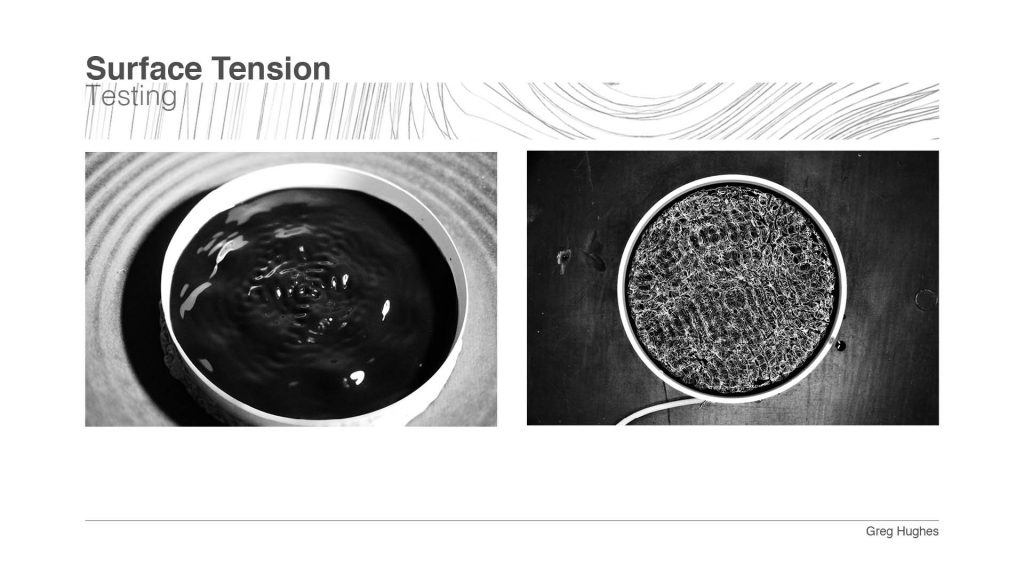
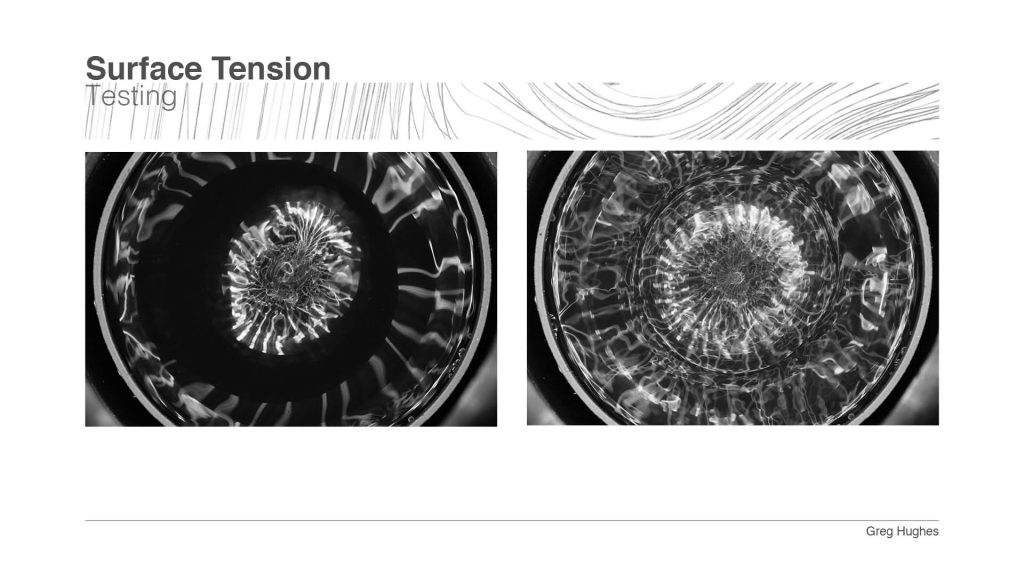
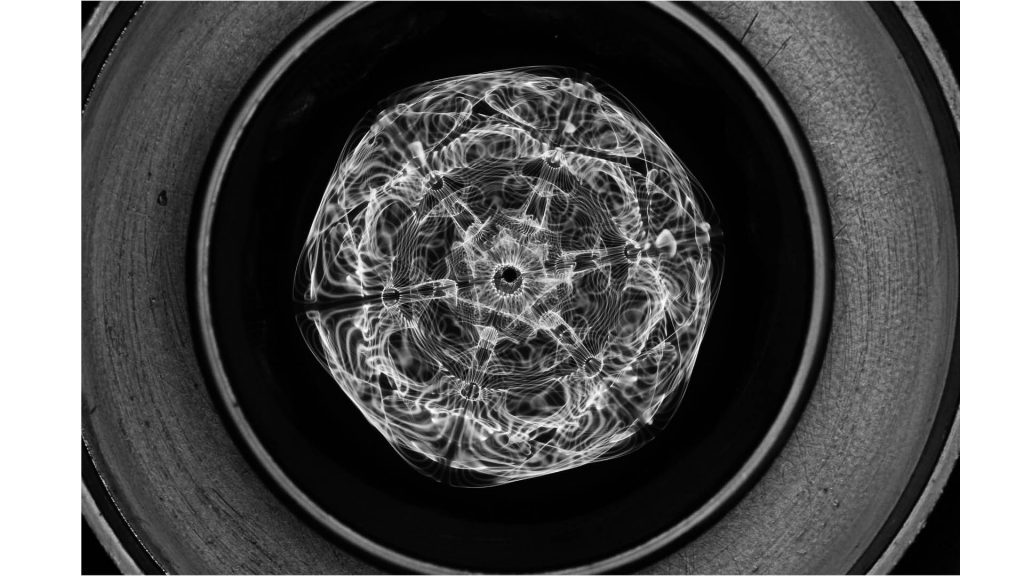
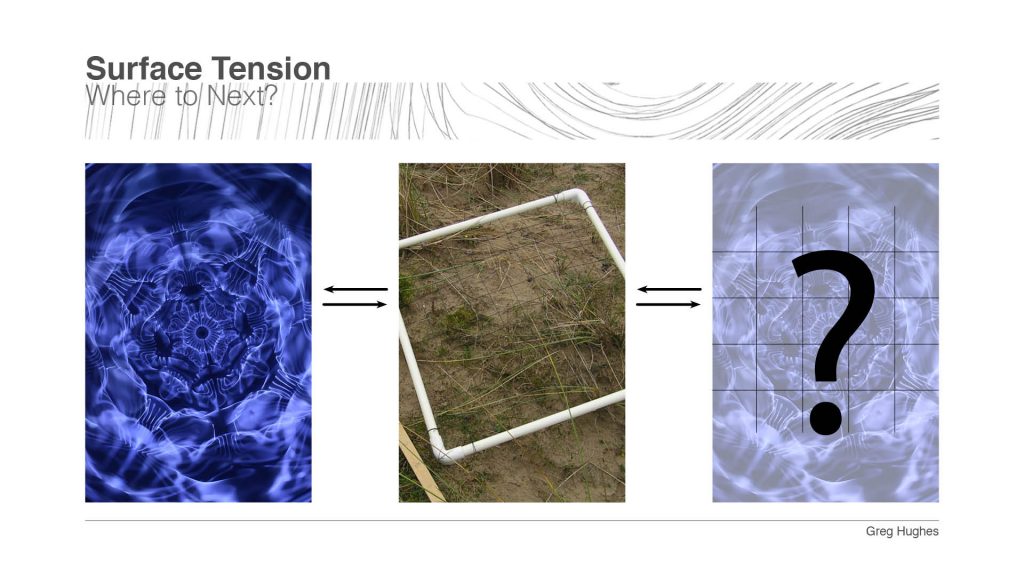
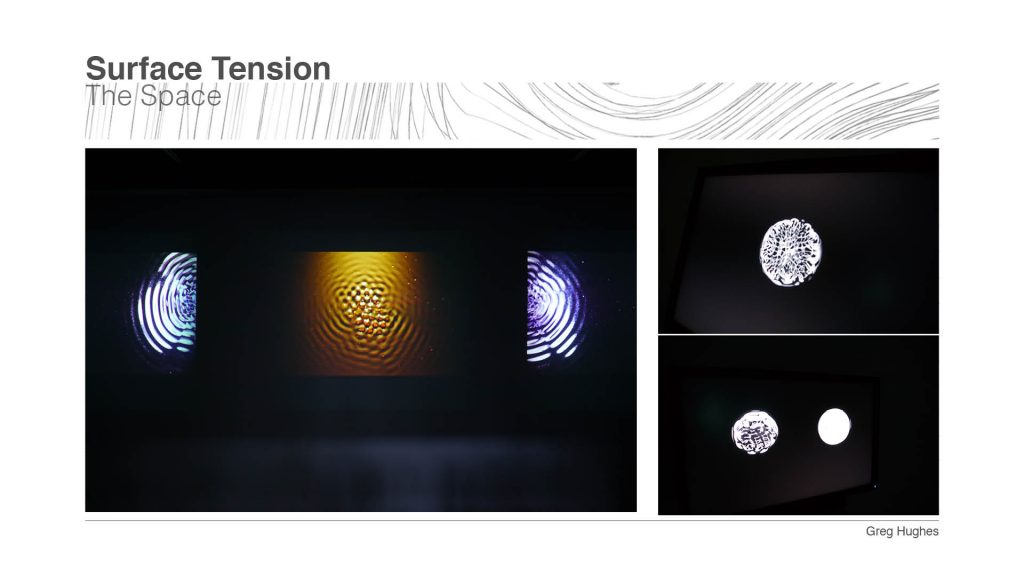
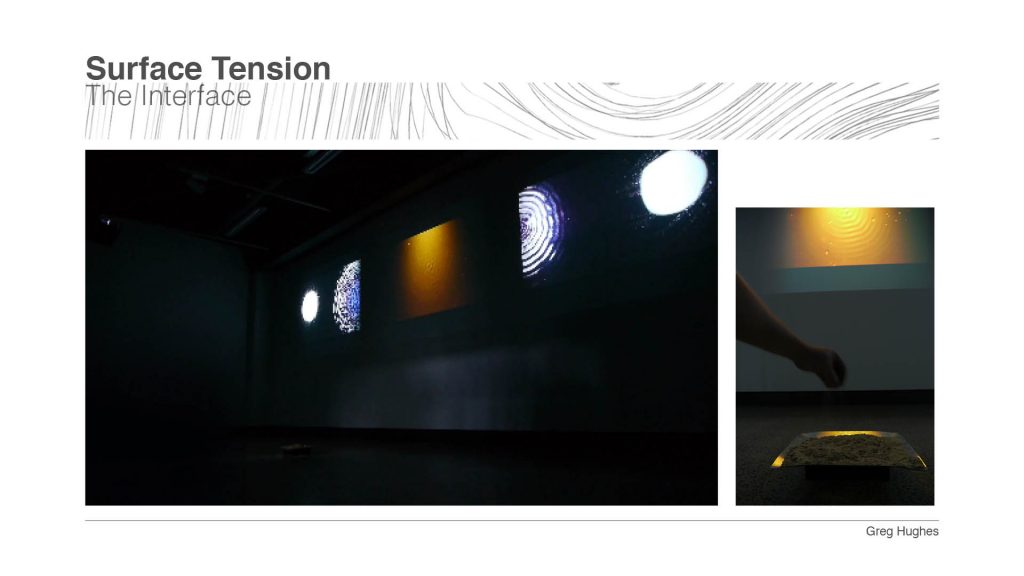
The Surface Tension project was not intended to replace scientific mapping or compete with new modelling developments. Instead, it offered an alternative method to invigorate discussions about coastal environments within a gallery context. It serves as a reminder of our position within a much larger system—our interactions with the natural environment, our attempts to control it, and how we represent it.