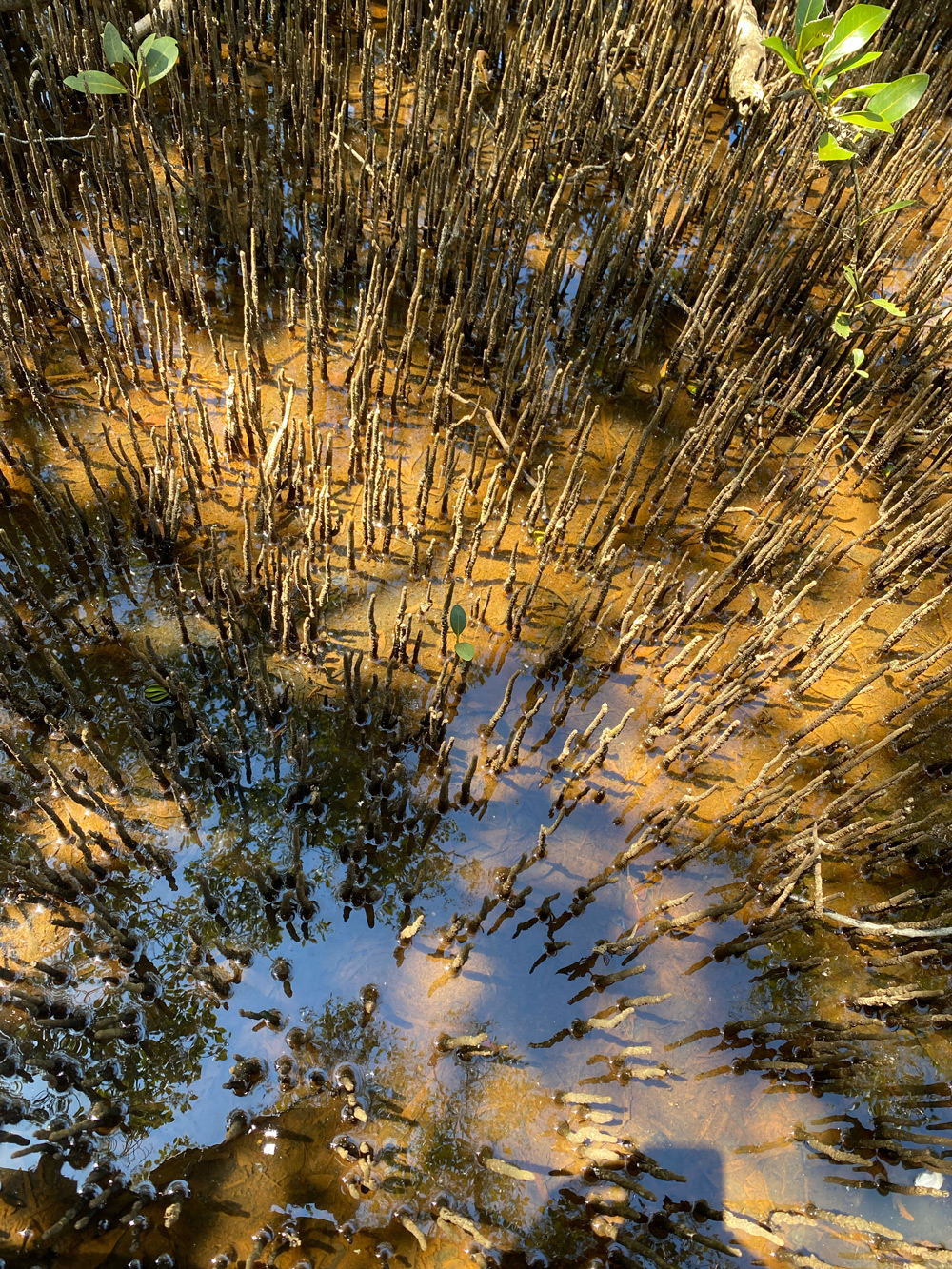
Imagining Sulphate-Reducing Bacteria in The Kooragang Island Mangroves
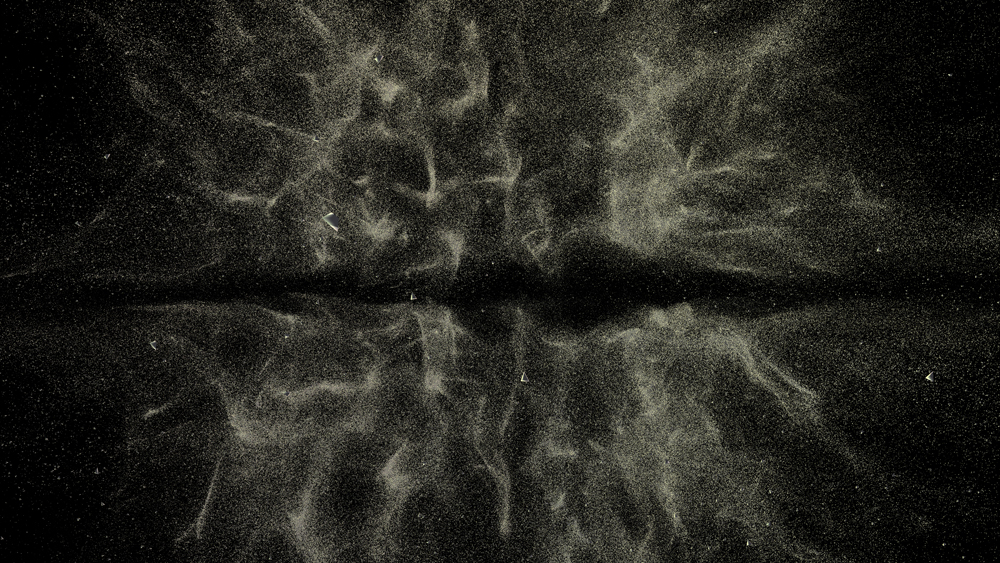
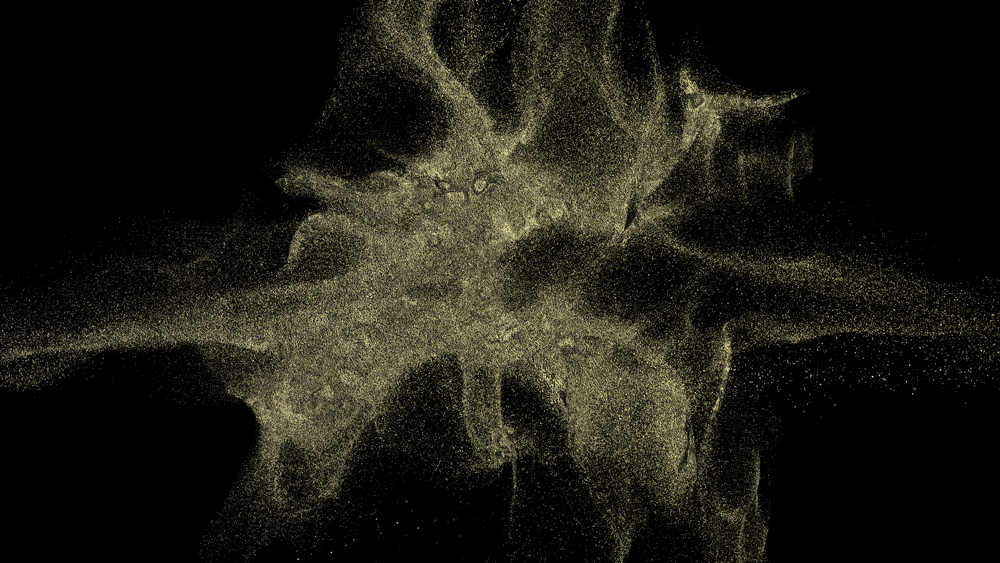
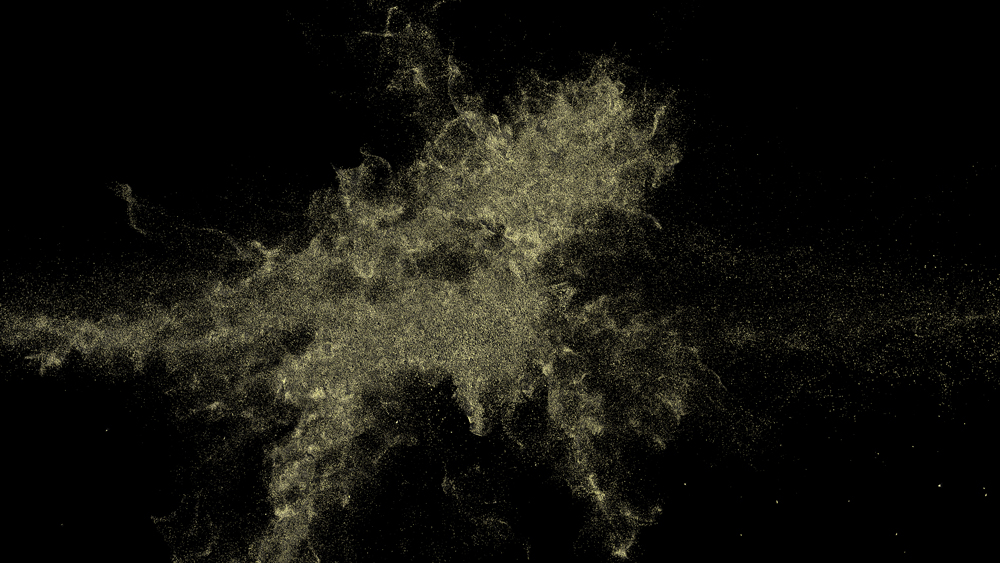
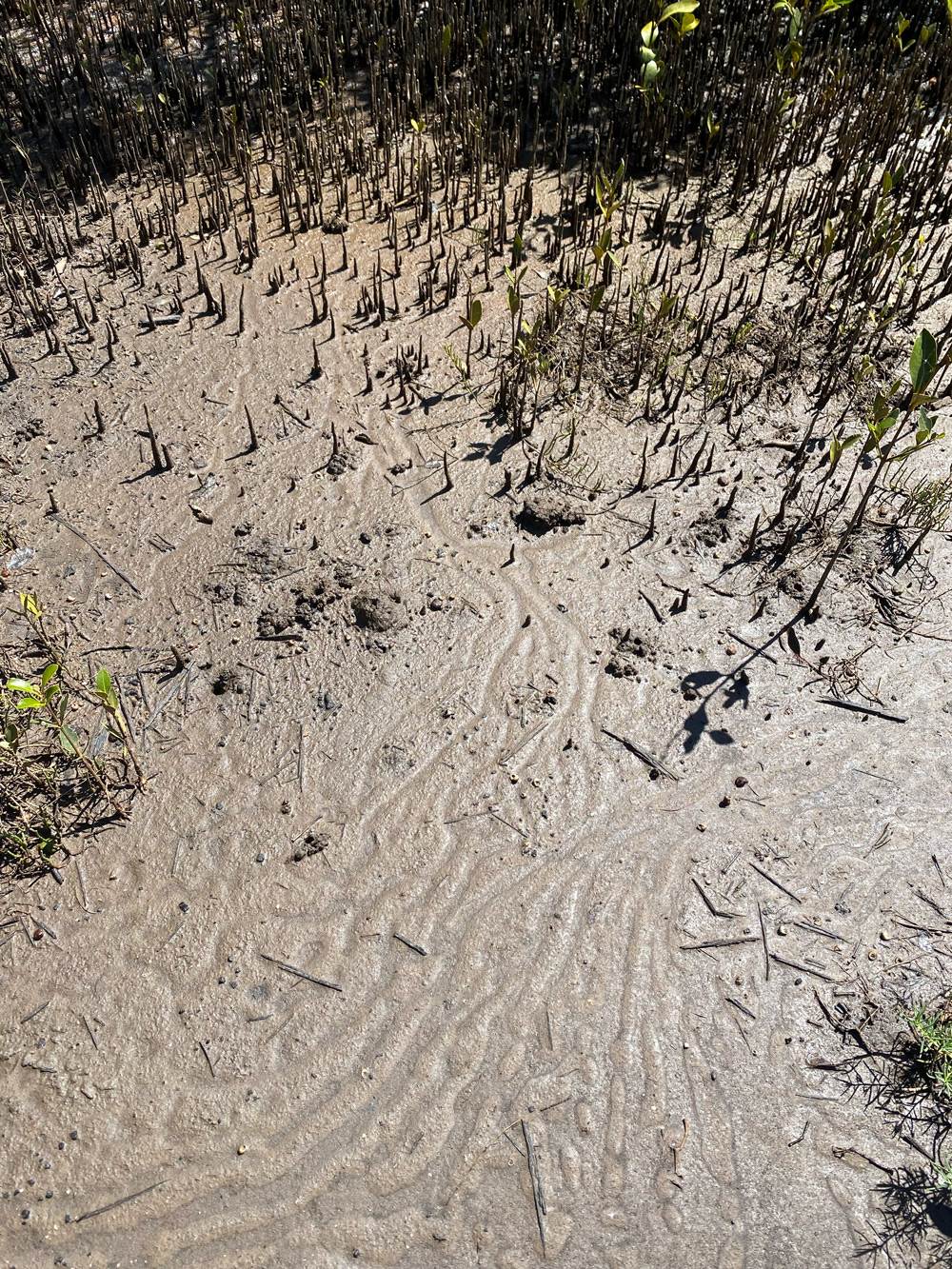
I'm wrestling with how to visualise something almost entirely invisible—the microbial life churning beneath mangrove roots. Sulphate-reducing bacteria – tiny metabolic architects operating in complete darkness, transforming sulphur and carbon in sediments. The pencil or peg roots (pneumatophores) are pointers — those pencil-like roots jutting up from the mud, breathing for the mangroves. They're not just structures, but interfaces. Interfaces between water and air, between organic and inorganic, between visible and unseen.
I'm trying to develop a visualisation technique (or expressive data and generative imagining) that can capture the subtle chemical exchanges happening at microscopic scales. How do you interpolate data to then render a representation of the transformation of iron compounds and the breakdown of organic matter in an oxygen-free environment? These bacteria aren't just passive inhabitants—they're serious actors in the ecosystem. Kooragang Island – Worimi and Awabakal Country (Ash Island) – is a fitting microcosm to focus on. Industrial history meets ecological resilience. These mangroves, survive and adapt, with entire universes of metabolic activity happening in each cubic centimetre of sediment. The challenge is making the audience experience complexity – like micro choreography made visible.